
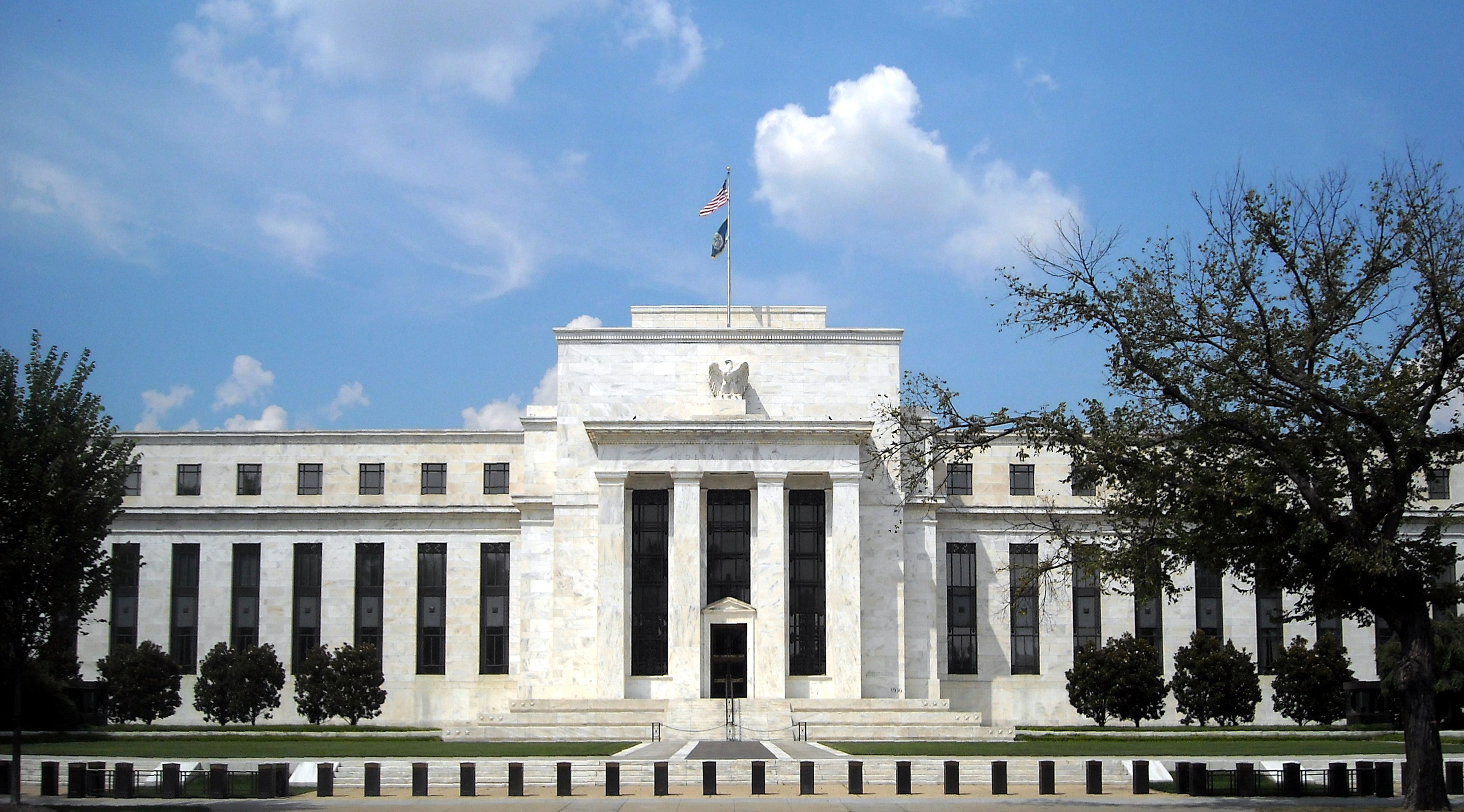
Jobs Day is today and the Bureau of Labor Statistics released its most recent data on jobs and unemployment for August. Chattering heads have debated whether the Fed will raise interest rates or not, and with good reason. Depending on what kind of numbers we see tomorrow morning, the Fed may move the needle on the interest rates. It sounds trivial, but this is troublesome.
Those in favor of raising the rates say that an increase in rates slow things down and stave off rapid inflation. But the inflation they warn about simply isn’t there. Economists are stumped with the increasingly unreliable Phillips Curve on which Fed policy is generally based. With prices staying the same (or even falling in some cases) so too are wages. The unemployment rate is down to 5.3% in July, the lowest since 2008. People are certainly back to work, yet they aren’t necessarily seeing any real boosts in their paychecks. As productivity levels continue to rise, wages are simply not following to accommodate the added value to the market. It might be time to reevaluate the way we dictate monetary policy.
On top of this, many people who are already struggling face another threat. Key provisions in the Earned Income Tax Credit and Child Tax Credit could change soon that will cause up to 19 million people in or near poverty to lose parts of their credits that help them get by. Stagnant wages and changing policies are pushing these workers down and keeping our economy slower in the long run. The workers that Labor Day was meant to commemorate won’t have anything to celebrate this year – they’ll likely have to work on Monday.
 NICOLAS MARTINEZ
Leave a comment